How to Build a High-Converting Digital Marketing Funnel from Scratch

Digital marketing funnels are the backbone of successful online marketing. A well-structured funnel guides your prospects through every stage of their buyer journey, from awareness to decision, maximising conversions and revenue. If you want to grow your business online, understanding how to build a high-converting digital marketing funnel from scratch is essential. In this guide, we’ll break down every step, strategy, and tool you need to implement a funnel that works.
What is a Digital Marketing Funnel?
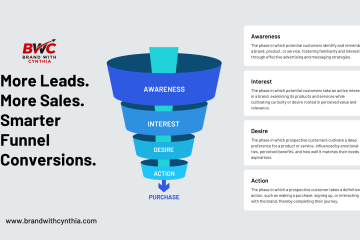
A digital marketing funnel is a structured journey that turns strangers into paying customers. It typically consists of four main stages:
- Awareness: Potential customers discover your brand or product.
- Interest: They engage with your content and show curiosity.
- Decision: Prospects evaluate your offering and compare it to competitors.
- Action: Leads convert into customers by making a purchase or taking another desired action.
Understanding these stages is crucial because your funnel needs to deliver the right message at the right time to guide prospects toward conversion.
How do you build a high-converting digital marketing funnel from scratch?
To build a high-converting digital marketing funnel, start by defining your target audience and mapping out funnel stages: Awareness, Interest, Decision, and Action. Create high-value content for each stage, use automation tools to capture and nurture leads, drive traffic through SEO, paid ads, and social media, and continuously optimise and scale the funnel using analytics and A/B testing.
Step 1: Define Your Target Audience
Before you start building your funnel, you need to know who you’re targeting. A funnel will fail if it doesn’t speak directly to the right people.
- Create buyer personas: Identify demographics, interests, pain points, and purchasing behaviours.
- Segment your audience: Divide your audience based on behaviour or stage in the buyer journey.
- Understand customer motivations: Know what problems they want to solve and what drives their buying decisions.
Tools like Google Analytics, Facebook Audience Insights, and HubSpot CRM can help you gather detailed audience data.
Step 2: Map Out the Funnel Stages
Next, outline each stage of your funnel and decide what content or action encourages the prospect to move forward:
Awareness Stage
- Goal: Capture attention
- Strategies: Blog posts, social media content, videos, podcasts, infographics
- KPI: Website traffic, social media reach
Interest Stage
- Goal: Engage and educate
- Strategies: Email newsletters, lead magnets (ebooks, checklists), webinars
- KPI: Email signups, content downloads, webinar registrations
Decision Stage
- Goal: Build trust and authority
- Strategies: Case studies, testimonials, product demos, free trials
- KPI: Product inquiries, trial signups, demo requests
Action Stage
- Goal: Convert leads into customers
- Strategies: Limited-time offers, retargeting ads, sales pages
- KPI: Purchases, signups, or service subscriptions
Step 3: Create High-Value Content for Each Stage
Your funnel needs content that resonates with your audience at each stage.
- Top of Funnel (TOFU): Educational blog posts, how-to guides, videos
- Middle of Funnel (MOFU): Free tools, webinars, case studies
- Bottom of Funnel (BOFU): Product demos, consultations, special offers
Remember: content should not just inform but nurture your prospects, moving them closer to a decision.
Step 4: Choose the Right Funnel Tools
Building a high-converting funnel requires automation and analytics. Essential tools include:
- Landing Page Builders: Leadpages, Unbounce, ClickFunnels
- Email Marketing Platforms: Mailchimp, ActiveCampaign, ConvertKit
- CRM Systems: HubSpot, Salesforce, Zoho CRM
- Analytics Tools: Google Analytics, Hotjar, SEMrush
Using these tools allows you to track behaviour, segment leads, and automate follow-ups, which significantly increases conversion rates.
Step 5: Drive Traffic to Your Funnel
A funnel only works if people enter it. Use a combination of paid, earned, and owned media to attract visitors:
- SEO: Optimise blog posts and landing pages to rank for high-intent keywords
- Paid Ads: Google Ads, Facebook Ads, Instagram Ads targeting your buyer persona
- Social Media Marketing: Organic posts, reels, stories, and influencer collaborations
- Email Marketing: Nurture existing subscribers to re-enter the funnel
Always track cost per acquisition (CPA) to ensure your traffic strategy is profitable.
Step 6: Implement Lead Nurturing Strategies
Once prospects enter your funnel, the next step is nurturing them:
- Email Sequences: Automate emails based on the lead’s actions (downloads, clicks, etc.)
- Retargeting Ads: Show ads to users who visited your site but didn’t convert
- Personalised Content: Send offers or guides tailored to their stage in the funnel
Lead nurturing builds trust, positions your brand as an authority, and increases the likelihood of conversion.
Step 7: Optimise for Conversions
Conversion optimisation ensures your funnel generates maximum ROI.
- A/B Testing: Test headlines, CTAs, landing page layouts, and email subject lines
- Analyse Metrics: Track conversion rate, bounce rate, click-through rate, and time on page
- Simplify Processes: Reduce friction in forms, checkout, and signups
- Leverage Social Proof: Testimonials, reviews, and case studies increase trust
Tools like Optimizely or VWO make testing easy and actionable.
Step 8: Monitor, Refine, and Scale
A funnel is never truly “finished.” Continuous monitoring allows you to identify weak points and improve performance:
- Check analytics weekly for bottlenecks
- Update content based on audience behaviour
- Scale by increasing traffic and expanding offers
- Implement new tools or automation for efficiency
The more you refine your funnel, the higher your conversion rates will climb over time.
Conclusion
Building a high-converting digital marketing funnel from scratch requires strategy, planning, and continuous optimisation. By understanding your audience, creating relevant content, automating processes, and monitoring performance, you can guide prospects seamlessly from awareness to action, ultimately boosting leads, sales, and revenue. Start small, test often, and scale as you discover what works best for your audience.
People Also Ask (PAA)